How to Choose a Wedding Venue That Keeps Guests Comfortable and Entertained
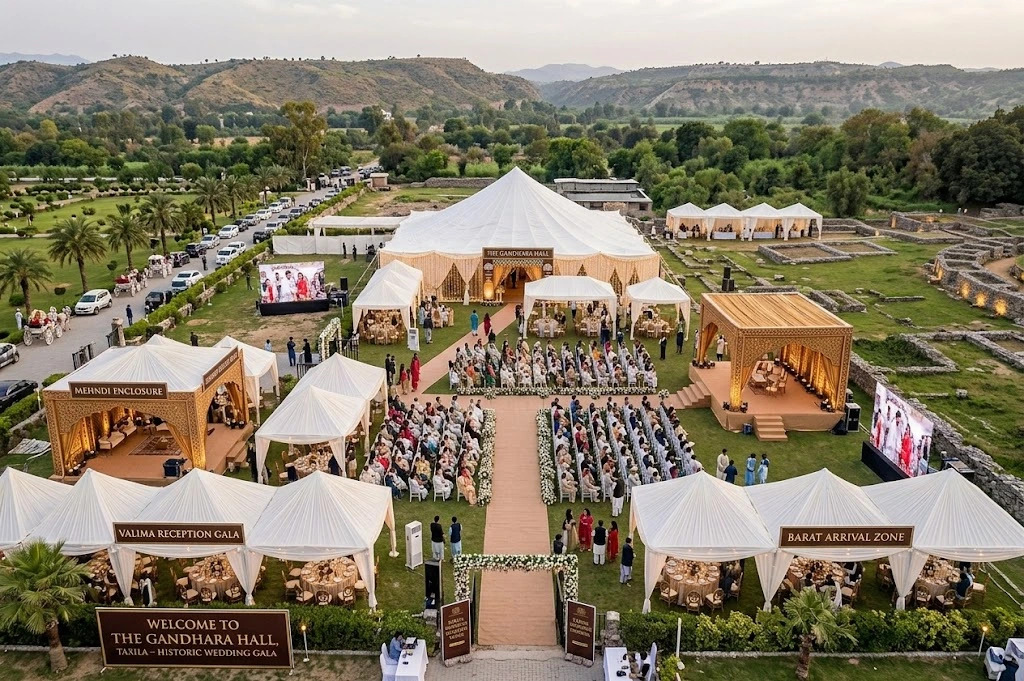
A memorable wedding is about more than beautiful decorations and a carefully planned ceremony. It is also about creating an enjoyable experience for the people who come to celebrate with you. From convenient parking and comfortable seating to engaging entertainment and smooth transitions between activities, the venue plays an important role in how guests experience the day.
Couples searching for a wedding venue in Denver should consider both the visual appeal of the space and the practical features that help a celebration run smoothly. The right setting can accommodate different guest needs, support the planned activities, and create opportunities for people to connect throughout the event.
1. Choose a Venue With the Right Capacity
Guest comfort begins with choosing a venue that can accommodate your wedding party without feeling overcrowded or unnecessarily empty.
Before visiting potential venues, prepare an estimated guest list. Remember that the appropriate capacity depends on how the space will be used. A room suitable for a standing cocktail reception may not provide enough space for dining tables, a dance floor, entertainment equipment, and a ceremony setup.
Ask each venue how the room can be arranged for your expected attendance. Request a sample floor plan showing the placement of tables, chairs, the dance floor, and other essential areas.
Consider how easily guests can move around during the reception. Narrow pathways and crowded seating arrangements can make it difficult for people to socialize or reach the facilities.
A well-planned layout should give guests enough personal space while keeping the celebration lively and connected.
2. Consider Accessibility and Transportation
A convenient location can make a significant difference to the guest experience. If attendees need to travel a long distance, navigate unfamiliar streets, or struggle to find parking, their arrival may become stressful before the celebration even begins.
When comparing venues, consider access to major roads, public transportation, parking facilities, and nearby accommodation. These details are particularly important if guests are traveling from outside Denver or attending an evening reception.
Ask whether the venue provides accessible entrances, suitable pathways, elevators where needed, and accessible restroom facilities. Consider the needs of older relatives, guests with disabilities, and families traveling with children.
If parking is limited, explore nearby parking options or transportation arrangements. Including clear directions and parking information with your invitations can help guests prepare in advance.
Convenience may not be the most glamorous part of wedding planning, but it can significantly improve the overall experience.
3. Look for Comfortable Indoor and Outdoor Spaces
The venue’s environment influences how guests feel throughout the celebration. Indoor spaces generally offer greater control over temperature, lighting, and sound, while outdoor areas provide fresh air and natural scenery.
Denver weather can change, so couples planning an outdoor ceremony or cocktail hour should ask about backup arrangements. An indoor alternative can be valuable if rain, wind, or uncomfortable temperatures affect the original plan.
Temperature control is also important for indoor receptions. Ask whether heating and air conditioning are available and suitable for the expected number of guests.
If the venue includes a patio, terrace, or outdoor deck, consider how guests will access it and whether seating or shade is available. Outdoor spaces can provide a welcome change of scenery during longer celebrations.
The ideal venue gives guests comfortable places to gather while allowing the event to continue smoothly if conditions change.
4. Evaluate the Dining and Catering Arrangements
Food is often one of the most anticipated parts of a wedding reception. Even an attractive venue can disappoint guests if meal service is poorly organized or the catering arrangements do not meet their needs.
Ask whether the venue provides in-house catering, works with preferred vendors, or allows couples to choose an outside caterer. Compare the available options, service styles, and additional charges before making a decision.
Consider how meals will be served. Plated dinners, buffets, and food stations each require different amounts of space and staff coordination.
It is also important to accommodate dietary requirements. Discuss how the catering team handles vegetarian meals, food allergies, and other restrictions. Confirm how special meals will be identified and delivered to the correct guests.
Ask about the kitchen facilities, food preparation arrangements, and timing for dinner service. A venue that supports an efficient catering setup can help keep guests satisfied and prevent long interruptions during the reception.
5. Make Sure the Venue Supports Your Entertainment Plans
Entertainment helps establish the atmosphere of a wedding. Depending on your preferences, you might plan a live band, DJ, dance floor, acoustic musician, photo booth, or interactive activities.
Before booking, confirm that the venue can accommodate your entertainment choices. Ask about available electrical connections, sound equipment, stage space, lighting, and restrictions on music volume.
The layout should also support the activities you have planned. If dancing is important, make sure there is enough room for guests to participate without crowding dining tables or blocking walkways.
For couples who prefer a relaxed atmosphere, comfortable lounge seating and designated conversation areas can encourage guests to mingle without feeling that they must remain on the dance floor.
Think about the age range and interests of your guests, but do not feel obligated to provide an activity for every possible preference. Choose entertainment that reflects your personalities and encourages people to enjoy the celebration naturally.
6. Pay Attention to Acoustics and Lighting
Sound and lighting can influence the comfort of an event more than couples sometimes realize.
A room with poor acoustics may make speeches difficult to understand, while excessively loud music can make conversation challenging. Ask whether the venue has hosted similar events and whether sound equipment or acoustic adjustments are available.
If possible, visit the space during an event or ask to see a demonstration of its sound setup. Consider where the speakers will be placed and whether guests seated away from the entertainment area will still hear important announcements.
Lighting deserves similar attention. Bright lighting can be helpful during dinner, while softer illumination may create a more relaxed atmosphere later in the evening.
If the venue has large windows, ask how the room looks at your planned event time. Natural light may be ideal for an afternoon ceremony, while an evening reception may require additional lighting.
A balanced environment allows guests to hear speeches, enjoy the entertainment, and interact comfortably throughout the celebration.
7. Check Restrooms and Other Essential Facilities
Restroom access, preparation areas, and other facilities may not feature prominently in wedding photographs, but they are essential to guest comfort.
Ask how many restrooms are available and whether they can accommodate the expected attendance. Find out whether accessible facilities are provided and whether the venue has a regular cleaning arrangement during the event.
If guests will spend several hours at the venue, convenient access to drinking water and comfortable seating is also important.
Couples with children may want to consider whether there is a suitable area for families to take a short break. A quiet space can be useful for guests who need time away from loud music or crowded areas.
Also check whether there is a private preparation room for the couple and wedding party. Having a suitable space for personal belongings and last-minute preparations can reduce clutter and make the day easier to manage.
Reviewing these details during a venue tour helps you identify potential issues before committing to a booking.
8. Consider the Flow From Ceremony to Reception
Guests should be able to move between wedding activities without confusion or unnecessary waiting.
If the ceremony and reception take place in different areas, ask how guests will be directed between them. Clear signage and staff assistance can make transitions easier, especially at venues with multiple rooms or outdoor spaces.
If the ceremony and reception use the same room, find out how the layout will be changed. Confirm who will manage the transition and how long it will take.
A cocktail hour can provide a natural break while photographs are completed or the reception area is prepared. However, make sure guests have access to refreshments and a comfortable place to gather during this period.
Discuss the timeline with the venue coordinator, caterer, and entertainment team. Coordinated planning helps prevent delays and ensures that guests know what to expect.
A venue that supports a logical event flow can make the celebration feel organized without making it seem overly structured.
9. Understand What the Venue Package Includes
A venue’s advertised rental price may not cover everything needed for a comfortable celebration.
Ask for a written list of included services and equipment. Depending on the package, this may include tables, chairs, linens, lighting, sound equipment, setup, cleanup, security, or coordination services.
Clarify whether additional charges apply for extended hours, outside vendors, furniture rentals, or changes to the floor plan. You should also understand the venue’s rules regarding decorations, catering, entertainment, and event access.
These details affect both the budget and the guest experience. For example, having suitable furniture and equipment included may reduce setup time, while on-site coordination can help resolve practical issues during the event.
Compare venues based on the overall value they provide rather than focusing exclusively on the initial rental price.
10. Visit the Venue and Ask Practical Questions
Photographs can help you create a shortlist, but an in-person visit gives you a better understanding of the space.
Walk through the areas your guests will use, including entrances, seating areas, restrooms, dining spaces, and outdoor sections. Consider how the venue will feel at your expected guest count.
Prepare questions about capacity, accessibility, catering, entertainment, parking, weather backup plans, and staff responsibilities. Request a sample floor plan and review the booking agreement before paying a deposit.
If possible, visit at a time similar to your planned wedding. This can help you assess natural lighting, surrounding activity, and potential noise concerns.
Finally, pay attention to how clearly the venue representative answers your questions. Responsive communication and transparent policies can make the planning process easier and help you feel more confident about your decision.
Conclusion
Choosing a wedding venue that keeps guests comfortable and entertained requires more than finding an attractive room. Capacity, accessibility, dining arrangements, entertainment facilities, lighting, restrooms, and event flow all contribute to the experience.
Start by identifying your guest count and priorities, then compare venues according to how well they support your plans. Ask detailed questions, review the full costs, and make sure the space can accommodate the activities you have in mind.
The best venue is one where your guests can relax, socialize, and participate in the celebration while you enjoy the day with confidence. By balancing style with practical considerations, you can create a welcoming wedding experience that people will remember long after the final song.