Beyond the Beach: 7 Stunning Punta Cana Wedding Venues You Haven’t Considered
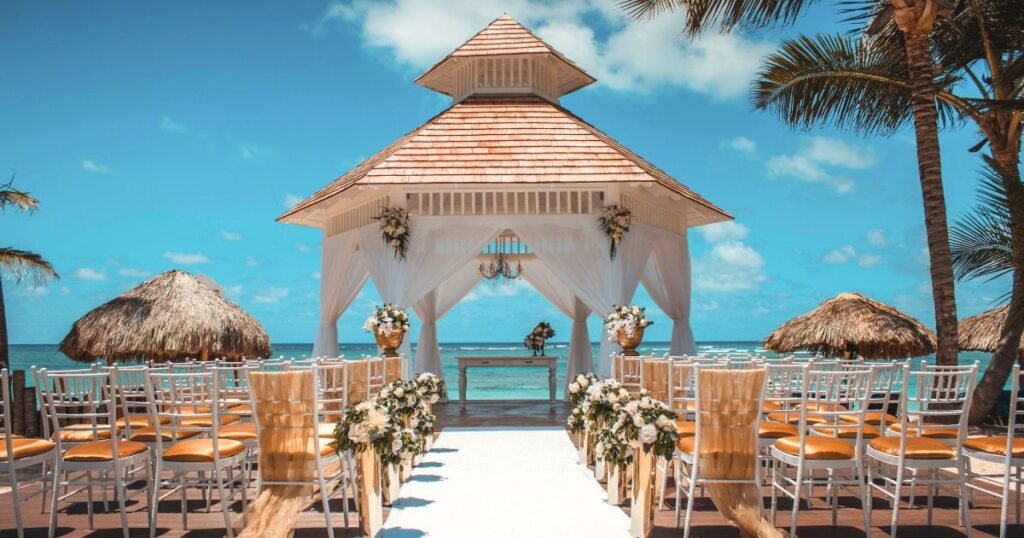
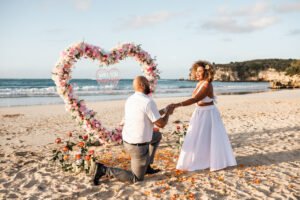
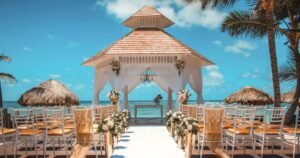
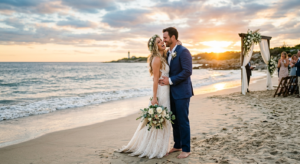
When most couples picture a Punta Cana wedding, they see the same image: a white arch on the sand, rows of chairs facing the Caribbean, and a sunset ceremony with toes in the surf. It is a beautiful image—and it is also just one of dozens of settings this corner of the Dominican Republic has to offer.
The couples who end up with weddings that feel genuinely unforgettable are often the ones who looked past the postcard. They chose a cliffside terrace, a private villa, a freshwater lagoon, or a colonial plaza—venues that give guests something to talk about long after the trip is over.
Here are seven stunning Punta Cana wedding venue types you may not have considered, along with what each one offers and the logistics you need to plan for. A local Punta Cana wedding planner can help you evaluate which of these fits your guest count, budget, and vision—but this guide will get you started.
1. Freshwater Lagoons and Cenotes
Punta Cana’s coastline gets all the attention, but inland lies a network of freshwater lagoons and cenotes—natural sinkholes with crystal-clear turquoise water, surrounded by lush tropical vegetation. The Ojos Indígenas Ecological Reserve in Cap Cana is one of the most striking examples: a protected reserve of freshwater lagoons where ceremonies can be held in near-total seclusion.
Why it works: The light filtering through the trees, the stillness of the water, and the natural acoustics create an atmosphere that no ballroom can replicate. It is intimate, photogenic, and completely unexpected for guests who assumed they were coming to a beach wedding.
What to plan for: These are protected natural areas, which means permits, restricted guest counts, limited setup access, and strict rules about décor, sound, and leave-no-trace cleanup. You will need a planner who has worked with the reserve before and knows what is and is not allowed.
2. Championship Golf Course Terraces
Punta Cana is home to some of the Caribbean’s most celebrated golf courses—Punta Espada, Corales, and La Cana among them—and several offer clubhouse terraces and lawn areas with sweeping ocean views that make exceptional ceremony and reception settings.
Why it works: You get the ocean panorama without the sand. Terraces offer stable footing for heels, reliable power for lighting and sound, and covered backup space if the weather turns. The manicured greens and palms make a clean, elegant backdrop that photographs beautifully in late afternoon light.
What to plan for: Golf courses have their own event calendars and member restrictions, and some limit wedding bookings to certain days or seasons. Confirm whether the venue has an in-house catering requirement, what time setup can begin (tee times may run until mid-afternoon), and whether guests will need transportation from their hotels.
3. Private Luxury Villas
Punta Cana has a growing inventory of private villas—some in gated communities like Cap Cana, others along the coast in Bávaro and Uvero Alto—that can be rented for a wedding weekend. Many come with pools, gardens, ocean views, and staff, and they offer something resorts rarely can: exclusivity.
Why it works: The villa becomes your venue, your accommodation, and your gathering space all in one. You can host a welcome dinner on Friday, the ceremony on Saturday, and a farewell brunch on Sunday without ever moving locations. Guests feel like they are at a private celebration rather than a hotel event.
What to plan for: A private villa means you are responsible for everything a resort would normally handle—rentals, power, restrooms, catering setup, staffing, and noise curfews. Villa weddings almost always require a full-service planner and a larger vendor team than resort weddings. Budget accordingly, and confirm the villa’s event rules in writing before signing the rental agreement.
4. The Marina at Cap Cana
The Cap Cana Marina is one of the Caribbean’s premier yachting destinations, and its waterfront promenades and dockside spaces offer a distinctly different aesthetic: sleek yachts, evening lights reflecting on the water, and a sophisticated, almost Mediterranean atmosphere.
Why it works: It is ideal for couples who want an evening celebration with a cosmopolitan feel. Cocktail hour on the dock, dinner under string lights, and a yacht-lit backdrop make for a striking reception that feels far removed from a standard resort ballroom.
What to plan for: Marina venues come with logistical quirks—noise ordinances, restricted access points, vendor loading zones, and coordination with marina management. Wind can also be a factor for lighting and décor. A planner with marina experience will know how to stage the space so it looks effortless.
5. Colonial Plazas and Historic Settings
If you are willing to expand your radius slightly, the region offers historic settings that transform a wedding into an event with real character. Altos de Chavón—a replica 16th-century Mediterranean village perched above the Chavón River near La Romana—is the best-known example, with a stone amphitheater, cobblestone streets, and sweeping river views. Farther afield, the Colonial Zone of Santo Domingo offers plazas and courtyards that date back centuries.
Why it works: These settings deliver architecture, atmosphere, and a sense of occasion that a beach simply cannot. They are ideal for couples who want a wedding that feels cultured, romantic, and a little theatrical.
What to plan for: Distance is the main consideration. Altos de Chavón is roughly 1.5 to 2 hours from Punta Cana resorts, and Santo Domingo is farther still. That means transportation logistics, guest timing, and possibly a split itinerary. Historic venues also have preservation rules about décor, candles, and structural attachments. Plan for an earlier ceremony time to allow guests to travel back comfortably.
6. Island Ceremonies: Saona and Catalina
For a truly once-in-a-lifetime setting, consider a ceremony on Saona Island or Isla Catalina—two of the region’s most beautiful offshore islands, with white sand, palm groves, and water so clear it looks edited.
Why it works: An island wedding is an adventure. Guests arrive by catamaran or boat, spend the day swimming and celebrating, and leave with a story they will tell for years. It is the ultimate “destination” in destination wedding.
What to plan for: Island weddings are logistically demanding. You are transporting your entire guest list, your vendor team, and your décor by boat, which means strict timelines, weather dependency, and limited setup time. Guest counts are usually capped, and anyone prone to seasickness needs advance warning. Always have a mainland backup plan in writing.
7. Rooftop and Cliffside Terraces
Less obvious than the beach but increasingly popular, rooftop terraces and cliffside properties along the coast offer elevated views of the Caribbean that feel dramatic and private. Some boutique properties and private residences in the Bávaro and Uvero Alto areas have rooftop spaces perfectly suited to ceremonies at golden hour.
Why it works: Height changes everything. A ceremony at elevation, with the ocean stretching to the horizon, feels more intimate and more cinematic than a beach setup—and the breeze at height makes even a warm day comfortable.
What to plan for: Rooftops come with practical constraints: elevator capacity, stair access for vendors, wind exposure, weight limits for décor and seating, and noise restrictions. Sunset timing is also critical—you want the ceremony to land in that golden window, which means a precise schedule and a planner who understands how the light moves.
How to Choose the Right Venue for You
With this many options, the decision usually comes down to four questions:
- How many guests are you hosting? Lagoon and island venues cap counts; villas and golf terraces are more flexible.
- What is your realistic budget? Off-resort venues often require rentals, transportation, and staffing that resorts include. Compare total costs, not just venue fees.
- How much logistics do you want to manage? A resort handles many details; a villa or island puts them in your planner’s hands—and on your invoice.
- What time of year are you marrying? Hurricane-season dates make covered backup space and reliable indoor options essential.
A local Punta Cana wedding planner can shortlist venues that match your answers, arrange site visits, and flag the hidden costs and restrictions that do not appear in a brochure. The right planner will also tell you honestly when a venue you love is not the right fit—before you fall in love with it.
The Takeaway
The beach will always be beautiful, but it is not the only—or even always the best—choice for a Punta Cana wedding. Lagoons, golf terraces, private villas, marinas, historic villages, offshore islands, and rooftop spaces each offer something the shoreline cannot, and each comes with its own logistics to plan around.
If you are ready to explore venues beyond the expected, Sertuin Events’ Punta Cana wedding planning services can help you find a setting that fits your vision, your guest list, and your budget—and handle the permits, vendors, and timelines that make it all come together.